
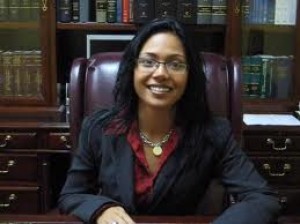


Attorney Ned Ogueri
Duluth Medical Malpractice Lawyer
Duluth families rely on a community hospital, several surgery centers and a busy network of clinics along Pleasant Hill Road and Peachtree Industrial Boulevard. When care there causes harm that should not have happened, Attorney Ned Ogueri at Zeribe Law Offices helps Duluth patients find out what went wrong.
Our office is in neighboring Norcross at 6129 Oakbrook Parkway, Suite A, Norcross, GA 30093. You pay no attorney fee and no case costs unless there is a recovery. Call (770) 840-9098 for a free, confidential consultation. Hablamos español.
Request a Free ConsultationCall (770) 840-9098
Medical Care in Duluth
- Northside Hospital Duluth, 3620 Howell Ferry Road, between Peachtree Industrial Boulevard and Pleasant Hill Road. It has about 120 beds, a 24-hour emergency department, and orthopedic, joint replacement and spine surgery services. Northside lists it as an Advanced Primary Stroke Center.
- Northside Hospital Duluth Outpatient Surgery Center, 3805 Pleasant Hill Road
- Northside Gwinnett Joan Glancy Rehabilitation Center, an inpatient rehabilitation facility in Duluth
- Urgent care clinics, imaging centers and medical offices along Pleasant Hill Road, Satellite Boulevard and Peachtree Industrial Boulevard
Before 2019, the Duluth hospital was Gwinnett Medical Center–Duluth. It became part of the Northside system that year. We list facilities only to describe where Duluth patients are treated, not to suggest any wrongdoing. Most care is appropriate, and a poor result alone is not malpractice.
Claims We Review for Duluth Patients
- Missed or late diagnosis: stroke, heart attack, sepsis, cancer, fractures (misdiagnosis claims)
- ER mistakes, including discharge before a condition is identified (emergency room error claims)
- Surgery and anesthesia errors (surgical error claims)
- Medication mistakes: wrong drug, wrong dose, missed allergy or interaction (medication error claims)
- Labor and delivery injuries (birth injury claims)
- Hospital and nursing failures: missed monitoring, falls, pressure injuries, infections (hospital negligence claims)
- Neglect in nursing homes and long-term care (nursing home claims)
Stroke and time-sensitive diagnoses
With stroke, heart attack and sepsis, minutes matter. Claims often turn on whether symptoms were recognized at triage, whether imaging was ordered and read promptly, and whether the patient was treated or transferred in time. Time stamps in the emergency record, the imaging system and the nursing notes usually tell the story.
Joint replacement and spine surgery
Orthopedic surgery carries known risks, so the question is whether a complication was caused by a departure from accepted practice: a nerve or blood vessel injured during surgery, an infection missed after discharge, a blood clot not prevented or not recognized, or hardware placed incorrectly.
Language Access and Informed Consent
Duluth is home to large Korean, Hispanic, Vietnamese and African communities. Patients who do not speak English well are entitled to language help: Section 1557 of the Affordable Care Act generally requires hospitals and clinics that receive federal funds to provide qualified interpreters at no cost. When a family member, a child or no one at all interprets consent forms, medication instructions or discharge warnings, important information can be lost. We review whether an interpreter was offered and used.
The Law in Georgia
Georgia malpractice claims follow special rules:
- Filing deadline: usually two years from the injury or death (O.C.G.A. § 9-3-71(a)).
- Outer limit: with narrow exceptions, five years from the negligent act (O.C.G.A. § 9-3-71(b)).
- Foreign objects: one year from discovery (O.C.G.A. § 9-3-72).
- Expert affidavit: required with the complaint (O.C.G.A. § 9-11-9.1).
- Emergency department care: generally judged by a gross negligence standard proven by clear and convincing evidence (O.C.G.A. § 51-1-29.5(c)).
Our Georgia medical malpractice page covers these rules in depth.
Getting Your Duluth Hospital Records
Northside Hospital Duluth uses the same records system as the rest of Northside. Northside takes requests online through its records vendor or by signed authorization. The MyOneChart portal is useful but incomplete, so request the full chart, including emergency notes, operative reports, imaging and nursing notes.
Where Duluth Cases Are Heard
Many Duluth cases are filed in the State Court or Superior Court of Gwinnett County at the Gwinnett Justice and Administration Center, 75 Langley Drive, Lawrenceville. Venue depends on every defendant, including where each doctor lives.
What to Do Now
- Get any care you still need, from another provider if you prefer.
- Request the complete chart in writing.
- Write a timeline while it is fresh: dates, names, symptoms, what you were told.
- Keep discharge papers, bills, prescriptions and photos.
- Do not sign releases or give recorded statements to a hospital or insurer first.
- Call early. Building a Georgia malpractice case takes time.
Frequently Asked Questions
What does it cost to talk with a Duluth medical malpractice lawyer?
The consultation is free. Malpractice cases are handled on a contingency fee, so there is no attorney fee and no case cost unless there is a recovery, and your written agreement spells out the fee and expenses.
Where is a Duluth malpractice case filed?
Duluth is in Gwinnett County, so many cases are filed in the State Court or Superior Court of Gwinnett County at 75 Langley Drive in Lawrenceville. A corporation may be sued where the claim arose if it has an office and does business there (O.C.G.A. § 14-2-510(b)(3)), and a doctor is generally sued where he or she lives.
What if a stroke was missed or treated too late?
Stroke treatment depends on timing, so delay claims focus on when symptoms were first documented, when imaging was ordered and read, and whether the patient was evaluated for clot-busting medication or transfer. We obtain the time-stamped emergency and imaging records to reconstruct that timeline.
Do I have a right to an interpreter at the hospital?
Generally yes. Federal law (Section 1557 of the Affordable Care Act) requires most hospitals and clinics that receive federal funds to provide language assistance, such as qualified interpreters, to patients with limited English at no cost. When an interpreter was not used for consent, instructions or discharge, that can become part of a malpractice claim.
How long do I have to file a claim?
Usually two years from the injury or death, and in most cases no later than five years after the negligent act (O.C.G.A. § 9-3-71). A Georgia complaint must also include a qualified medical expert’s affidavit (O.C.G.A. § 9-11-9.1).
Talk With a Duluth Medical Malpractice Lawyer
Tell us where you were treated, when, what went wrong and how you are doing now. Bring your records if you have them, or we can request them. You pay no attorney fee and no case costs unless there is a recovery. Hablamos español.
Related pages: Gwinnett County medical malpractice lawyer · Lawrenceville medical malpractice lawyer · Duluth personal injury lawyer · Duluth wrongful death lawyer
Call us today, at (770) 840-9098 to speak with an attorney.
Disclaimer: The information on this page is for general informational purposes only and does not constitute legal advice. Every case is different and past results do not guarantee future outcomes. Results may vary depending on the specific facts and circumstances of your case. Zeribe Law Offices handles these cases on a contingency fee basis — you pay no attorney fees unless we recover compensation for you. If we do not recover compensation for you, you owe no court costs or other case expenses. If we recover compensation, the written fee agreement explains how costs and expenses are handled.