
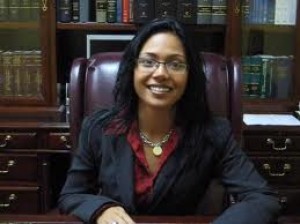

Attorney Ned Ogueri
Georgia Nursing Home Abuse and Injury Lawyer
When a resident develops an unexplained injury or suddenly needs a higher level of care, a family may receive several different accounts of what happened. Zeribe Law Offices can review concerns about possible abuse, neglect, or unsafe care in a Georgia nursing home and help you identify the records that may clarify the events.
Document the change in care
A fall, pressure injury, missed medication, or delay in seeking treatment deserves attention. Write down when you first noticed the problem, whom you notified, and what the facility said or did. Keep care plans, transfer summaries, photographs, and written communications you are authorized to access. A change in condition can have several causes. The care records and timeline help distinguish them.
Put the resident’s safety first
If there is an immediate danger, call 911. Georgia directs reports about abuse or neglect in long-term care facilities to the Department of Community Health’s Healthcare Facility Regulation Division. Reporting and obtaining treatment can proceed while you consider a separate legal consultation. Bring the facility name, the resident’s care setting, and any documents that show your authority to act on the resident’s behalf.
Nursing home concerns in Atlanta and Norcross
Families may notice an injury during a visit or first hear about it after a hospital transfer. The relevant records can be spread across a facility in Atlanta, a hospital in Gwinnett County, and outside providers who visited the resident. Give us the full facility name, the dates of admission and transfer, and the type of care the resident received. The distinction between a skilled nursing facility, an assisted living community, and another care setting helps identify which records and oversight channels may apply.
Compare the care plan with what happened
The care plan can show what assistance the resident was expected to receive, including help moving, using the bathroom, or eating. The plan alone may say little about whether that assistance was provided at the relevant time. Note who described the events and whether the description changed. Shift notes, hospital transfer documents, incident reports, and written communications may help explain the sequence. A facility may have records that the family has never seen. Bring the documents you have and identify which ones are missing.
Distinguish an injury from evidence about its cause
An unexplained bruise, fall, weight change, or wound can have several explanations. Document what you saw, including the date and whether the resident could describe what happened. Share any clinician’s assessment rather than treating an initial suspicion as a diagnosis. If the resident was transferred, keep both the facility account and the hospital record. A careful review compares the resident’s condition before and after the event and asks whether the treatment provided matched the needs that staff already knew about.
Preserve concerns you raised and the facility’s response
An email to the director, a request for a care meeting, or a note about a repeated problem can establish when a concern was brought to someone’s attention. Keep complete copies of messages and replies. If a conversation took place by phone, write down the date, participants, and what each person said while it is still fresh. Keep a timeline of changes in staffing, transfers, and treatment as they relate to the concern. You do not need to investigate staff yourself or enter areas that are restricted.
Regulatory reporting and the legal review
In an immediate emergency, call 911. Georgia directs reports about abuse or neglect in long-term care facilities to Healthcare Facility Regulation within the Department of Community Health. A family may also seek help understanding a resident’s care and complaint options. Preserve the agency’s acknowledgment or complaint number. An agency review and a civil case address different questions, so a complaint does not settle whether a civil claim is available. The relevant records and the needs of the resident still require their own assessment.
Consent and authority to obtain records
A family member who helps a resident may not have authority to access every record or act on the resident’s behalf. Bring any health-care directive, power of attorney, guardianship paperwork, or other relevant documents you are permitted to share. Tell us whether the resident can participate in decisions or has expressed wishes about who should help. If more than one family member is involved, identify the roles each person has taken. That helps a consultation focus on records and decisions the family can lawfully handle.
Care transitions and ongoing support
A hospital transfer can interrupt the resident’s routine and raise decisions about where the person will return. Keep discharge instructions, follow-up appointments, medication lists, and any conditions the facility places on readmission. Discuss care decisions with the resident’s providers and authorized decision-makers. Legal review can proceed alongside those arrangements. If you are asked to sign a new admission agreement or settlement-related paperwork, preserve the full document and note when a response is requested so it can be discussed in context.
Residents’ accounts and family observations
A resident may be able to describe an event clearly, may remember only part of it, or may be unable to communicate because of illness or injury. Write down any voluntary account as accurately as you can and identify who heard it. Separate what the resident said from observations made by family members and explanations offered by staff. A family that visits regularly may notice a change in mood, mobility, or routine before it appears in a written report. Record specific examples and dates. If the resident receives outside treatment, let the treating professionals know what the family has observed through appropriate channels. These accounts can help connect the care plan, contemporaneous records, and changes the family saw without assuming that every difference has the same cause.
Talk with Zeribe Law Offices
Call (770) 840-9098 to speak with Attorney Ned Ogueri. Our Norcross office serves clients in metro Atlanta and across Georgia.
Related information: Medical Malpractice.
Disclaimer: The information on this page is for general informational purposes only and does not constitute legal advice. Every case is different and past results do not guarantee future outcomes. Results may vary depending on the specific facts and circumstances of your case. Zeribe Law Offices handles these cases on a contingency fee basis — you pay no attorney fees unless we recover compensation for you. If we do not recover compensation for you, you owe no court costs or other case expenses. If we recover compensation, the written fee agreement explains how costs and expenses are handled.